Tuesday, 7 April 2026

Aluminium Doors and Windows: Why They’re Quietly Becoming the Go-To Choice

Doors and windows don’t usually feel like a major decision in the beginning. They’re part of the structure, so most people install them and then move on to more visible things like interiors, lighting, or furniture.


But after some time, their importance becomes clearer. A door that doesn’t close properly, a window that lets in too much heat, or frames that begin to look worn — these issues don’t appear immediately, but once they do, they’re hard to ignore. That’s usually when the material choice starts to matter more than expected. Aluminium, in that sense, solves many of these problems without creating new ones.


Why Aluminium Works in Real Conditions


Every material performs well when it’s new. The real test begins after a few seasons of use. Wood can react to moisture and temperature changes. It may expand, shrink, or even develop cracks over time. Steel is strong, but it often requires protection to prevent rust, especially in areas with humidity or changing weather.


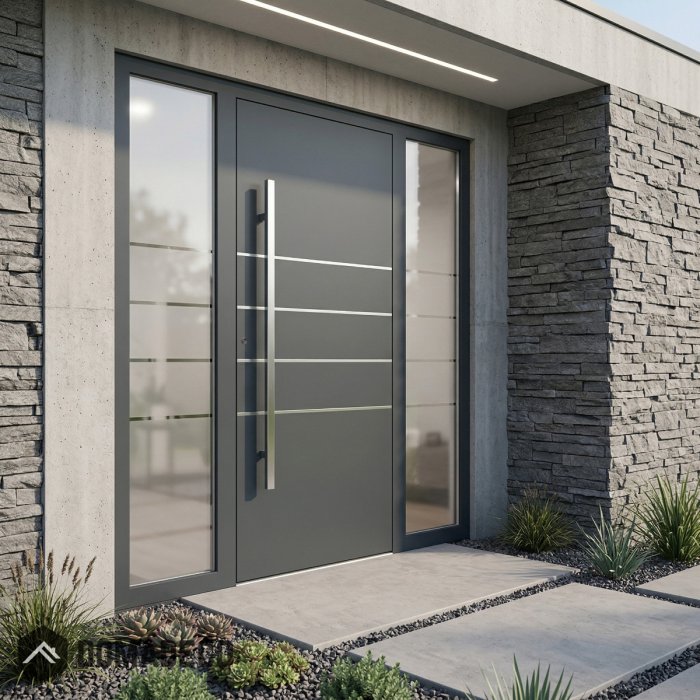
Aluminium avoids most of these concerns. It remains stable and doesn’t expand or shrink significantly. It also doesn’t rust, which makes it suitable for different environments. Maintenance is minimal, and it continues to perform without needing frequent attention. Because of this, many homeowners now prefer Strong Aluminium Doors when they want something dependable without adding extra work later. It’s not about choosing something complicated. It’s about avoiding the kind of problems that tend to show up after a few years.
 

https://domadeco.co.uk/media/catalog/product/cache/7b92106adb6a628490e3b4c6e2377a62/c/1/c10-lewym-prawym.jpg 


Doors That Don’t Complicate Daily Use


A door is used multiple times a day. It should feel normal. Smooth. Predictable. Not something you have to push harder each month. Aluminium doors usually keep that experience consistent. There are enough options to match different layouts — sliding for tighter spaces, folding for wider openings, and hinged for standard use. Nothing unusual there, just practical choices. Design-wise, they don’t force you into one look. You can go simple, or a bit more detailed if that’s what the space needs. Matte finishes, neutral tones, and even wood-like textures. The main thing is, they don’t feel out of place. And they don’t start feeling “old” too quickly either.


Windows Make a Bigger Difference Than Expected


Windows are easy to ignore until something feels slightly off. A room feels warmer than it should. Noise from outside doesn’t reduce much. Light doesn’t come in evenly. These are small things, but they affect comfort every day. With High Quality Aluminium Windows, the change is not dramatic, but it’s noticeable over time. You get slimmer frames, so more light comes in. That alone changes how a room feels — more open, less closed in. Sealing also tends to be better, which helps with both temperature and sound. It’s not something you think about daily, but you do notice when it’s working properly.


The Buying Process Is Different Now


Buying doors used to be… tiring, honestly. Multiple store visits, limited designs, and not much flexibility. Often, decisions were made based on what was available rather than what actually suited the space. Now it is easier to Buy Stylish Doors Online, and that changes the experience quite a bit. There’s more variety. You’re not rushed. You can compare without someone standing next to you waiting for a decision. Customization also becomes simpler. Instead of adjusting your space to fit standard sizes, you can usually find something closer to what you need. It just feels more practical overall.


https://www.greenply.com:5001/originalfile1773769145326-7781.jpg 

The Cost Conversation Feels Different Later


At the start, aluminium can seem slightly expensive. That’s usually where hesitation comes in. But the comparison changes over time. If something needs repainting, fixing, or replacing every few years, the total cost doesn’t stay low. It just spreads out. Aluminium doesn’t usually come with those repeat issues. So yes, the initial amount may be higher. But the follow-up costs are lower, sometimes almost negligible. That shift isn’t obvious on day one, but it becomes clear later.


Maintenance Is… Not Really a Concern


Some materials need attention. Regularly. Aluminium doesn’t fall into that category. Basic cleaning is enough most of the time. No polishing, no special treatments, nothing complicated. Even the moving parts — sliders, hinges — tend to stay consistent without needing frequent adjustments. Which, for most people, is a big advantage. Less time fixing things, less effort overall.


There’s Also the Sustainability Angle


This part doesn’t always drive the decision, but it’s worth noting. Aluminium is recyclable. It can be reused without losing its core properties, which eliminates waste as compared to materials that degrade faster. Also, better insulation from doors and windows can slightly reduce energy use indoors. It’s not a dramatic change, but it’s still a step in the right direction.


The Supplier Still Makes a Difference


Material alone isn’t everything. The way it is manufactured and installed matters just as much. Poor finishing/incorrect fitting can reduce performance, even with good materials. So, working with a dependable supplier such as Dunnottar Hardware is significant. It helps ensure consistency in build finishing, quality, and overall durability. Eliminating this step usually may lead to issues later, even if the material itself is good.


Final Verdict


Doors and windows are easy to overlook early on. But they’re used every day, and small issues become noticeable over time. Aluminium works because it avoids many of those issues before they even start. It stays stable, doesn’t need much maintenance, and suits different types of spaces without any effort. It is not about making a bold choice. It is more about making a sensible one — something that continues to work without needing constant attention. And in the long run, that tends to matter more.

For more information, you can visit our website https://dunnottarhardware.com/ or call us at 0813221634

 

Friday, 20 March 2026

Easy Ways to Upgrade Your Home (Without Turning It Into a Big Project)

Most people think upgrading a home means going all in—breaking things, rebuilding, and spending weeks dealing with noise and mess. It often feels like you either commit to a full renovation or leave things as they are.

But honestly, that’s not always necessary.

In many cases, it’s the smaller changes that actually make your space feel different. A new colour on the walls, better finishes, or even replacing something as simple as a door can shift the entire vibe of a room. These updates don’t require a huge investment of time, yet they still make a noticeable difference.

The tricky part isn’t the lack of options—it is having too many. You scroll, compare, rethink, and suddenly nothing feels like the right choice. So, it helps to pause and focus on what really matters for your space—not just what looks good online, but what actually fits your lifestyle.

It’s the Little Things That Change Everything

You do not always notice small upgrades right away—but over time, they completely change how a space feels.

Take wall colour, for example. A slightly warmer tone can make a room feel more relaxed without you even realising why. Cooler shades, on the other hand, can make a space feel fresh and open. These are subtle differences, but they shape your everyday experience.

The same goes for finishes and details. Handles, trims, and textures may seem minor, but together they create a sense of balance. When everything works well together, the room feels complete without trying too hard.

It’s less about doing more and more about doing things that actually make sense for how you live.

Decorating Without Overdoing It

A lot of people assume decorating means adding more—more items, more colours, more features. But that’s usually where things start to feel crowded.

If you're planning to refresh your space, you can simply Buy Interior Decoration Products that add value instead of noise. A few carefully chosen pieces often do more than filling every empty corner. 

It also helps to take a step back and look at what you already have. Sometimes, removing items that no longer fit your style creates a bigger impact than adding something new. Decluttering can instantly make a room feel more open and organised.

The goal isn’t to fill space—it’s to make it feel right.

Paint: Probably the Easiest Way to See a Real Difference

If there’s one change that delivers quick results, it’s paint. No major effort, but the room feels different almost instantly.

Lighter shades can make things feel open, especially in smaller areas. Darker tones can make a space feel more grounded and cosy. It all depends on the mood you want to create.

And quality does matter here. Choosing from a Premium Paints Store usually means better coverage and a finish that lasts longer, instead of needing frequent touch-ups.

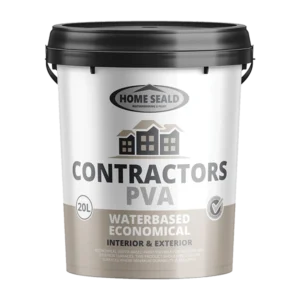
Contractors PVA Paint 

A good paint job not only improves appearance but also saves you time and effort in the long run.

Sliding Doors — One of Those Upgrades You Notice Daily

Doors aren’t something most people think about until they become inconvenient.

Traditional doors take up space. They swing open, block areas, and sometimes don’t work well in tighter layouts. You only realise this when they start getting in the way.

Sliding doors solve that in a simple way—they just move out of the way.

They are especially useful in smaller homes or areas where space matters. At the same time, they add a clean and modern touch without being overwhelming.

If you're considering a change, you can check Sliding Doors Online and explore different styles before making a decision. It’s one of those upgrades that may seem small but improves daily movement in a noticeable way.

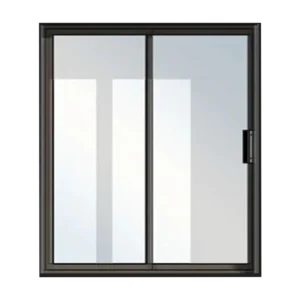
Aluminium 2 Panel Sliding Glass Door 1.8X2.1M 

When Too Much Becomes… Too Much

One common mistake? Trying to improve everything at once.

You add bold colours, statement pieces, and new finishes—and suddenly the room feels busy instead of better. It happens more often than people admit.

The issue isn’t the choices themselves—it’s how they come together.

A better approach is to let one or two elements stand out and keep everything else subtle. That contrast creates balance and makes the space feel more natural.

Sometimes, doing less actually gives better results.

Think About How You Actually Use the Space

This part is easy to ignore—but it matters the most.

A room might look great, but if it doesn’t function well in your daily routine, it quickly becomes frustrating. Small issues like lack of storage or awkward layouts start to stand out over time.

Think about how you use the space. Is it comfortable to move around? Are things easy to access? Does it feel practical?

Design should support your lifestyle, not the other way around.

Materials: Not Just About Looks

Some materials look great in photos but don’t hold up well in real life. That’s something people often realise later.

High-use areas need durable materials. Floors, kitchen surfaces, and frequently used spaces should be able to handle daily wear without showing damage too quickly.

Other areas can be more flexible, especially if they’re mostly decorative.

It’s about knowing where to invest and where to keep things simple.

Low-maintenance materials are usually the best choice in the long run. They save time, effort, and unnecessary stress.

Spending Smart (Not Just Spending Less)

Saving money is important—but choosing the affordable option every time doesn’t always work.

Sometimes, replacing something twice ends up costing more than getting it right the first time. It’s a common situation where something looks fine initially but doesn’t last long.

That doesn’t mean you have to overspend.

It’s about balance—invest where it matters and simplify where it doesn’t. This approach helps you stay within budget while still getting long-term value.

A Bit of Planning Goes a Long Way

Most regrets in home upgrades come from rushing decisions.

Taking time to measure properly, think about layouts, and plan ahead can prevent a lot of unnecessary problems. Even a simple plan makes the process smoother.

When you are clear about what you want, it becomes easier to make decisions and avoid mistakes.

Where You Buy From Actually Matters

Even if you choose the right products, quality can still vary depending on where you buy them.

At Dunnottar Hardware, the prime focus is on providing practical and dependable options that suit real homes. Whether it’s a small upgrade or a larger improvement, consistent quality makes the entire process easier.

It also reduces the chances of unexpected issues, which can slow things down or increase costs.

And honestly, fewer surprises during a project always make things better.

Final Thoughts (Nothing Fancy, Just Honest)

In the nutshell, your home doesn’t need to look perfect—it just needs to feel right.

The smart upgrades are usually the ones that make everyday life easier and more comfortable. Not everything has to stand out. Sometimes, it’s the subtle changes that have the biggest impact.

Take your time, keep things simple, and focus on what truly works for you.

Because in the end, a home isn’t about how much you change—it is about how well it fits your life.

For more information, you can visit our website https://dunnottarhardware.com/ or call us at 0813221634


Aluminium Doors and Windows: Why They’re Quietly Becoming the Go-To Choice

Doors and windows don’t usually feel like a major decision in the beginning. They’re part of the structure, so most people install them an...